

Lady Day is
Culinary
Confidential
Words by: Man’s Not Yandhi Photography by: Black Milk Spacesmagazine: Culinary Edition
Truth is, there are some things we find before we realise we are even looking for them. Some callings announce themselves loudly..
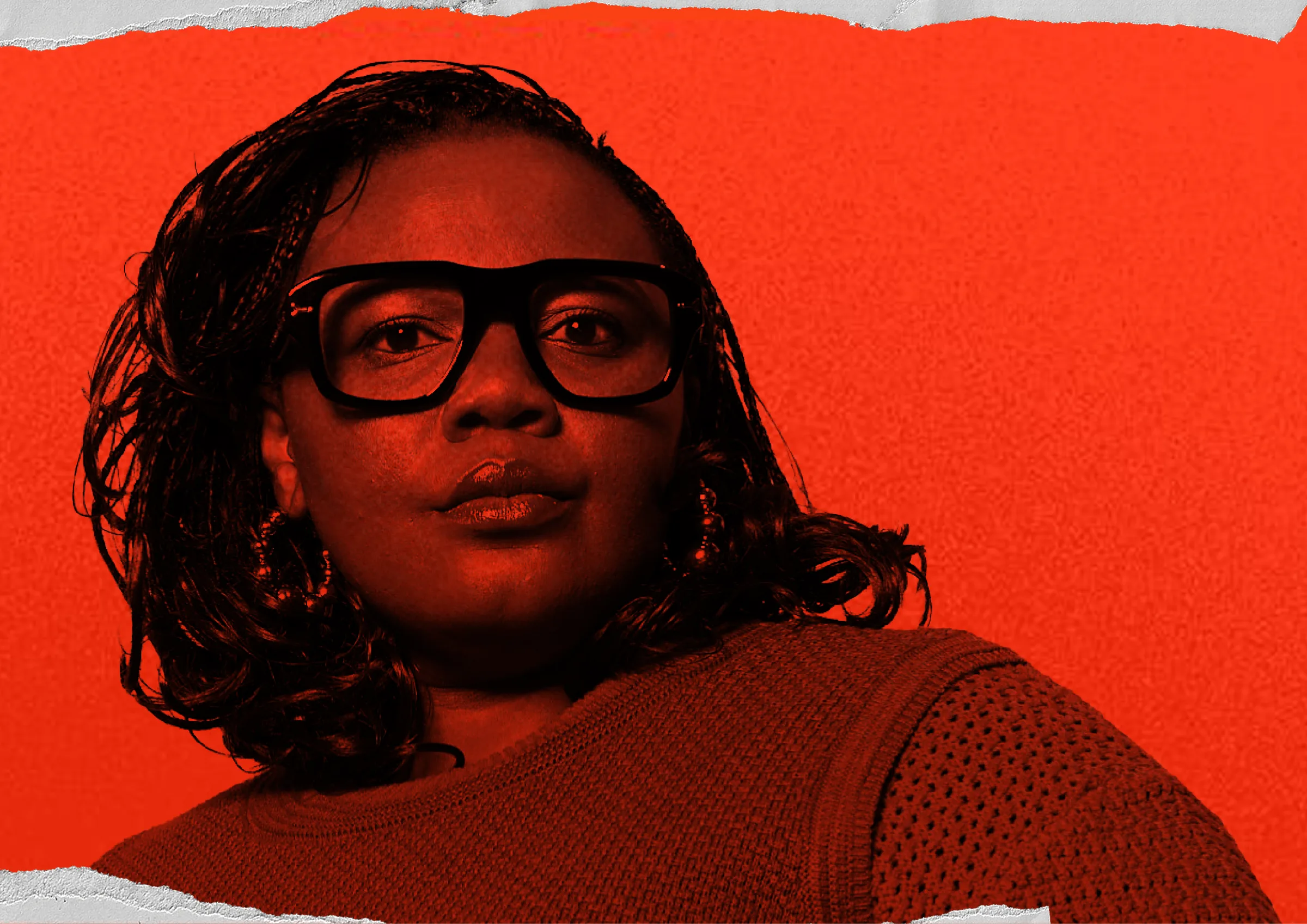
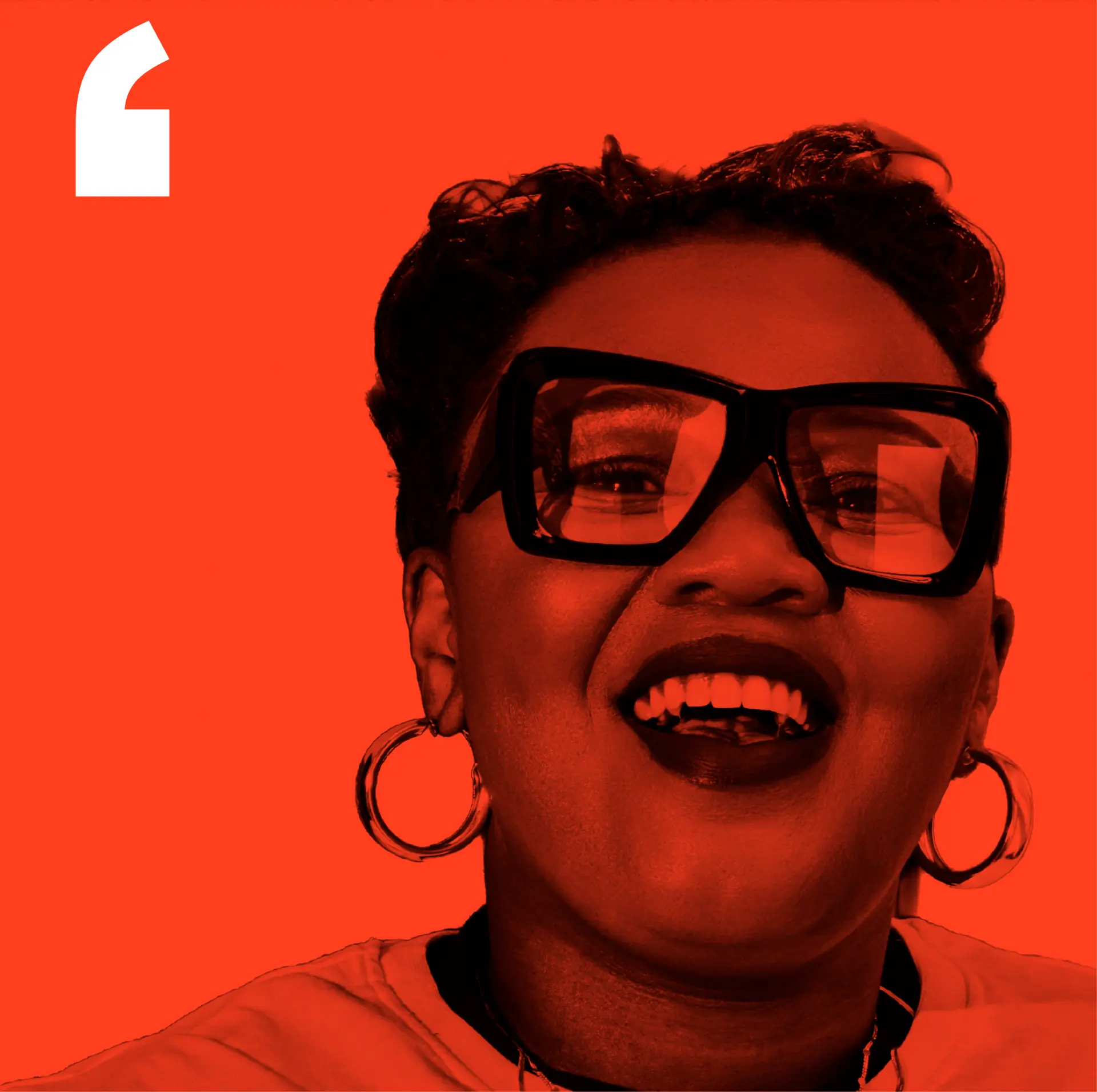
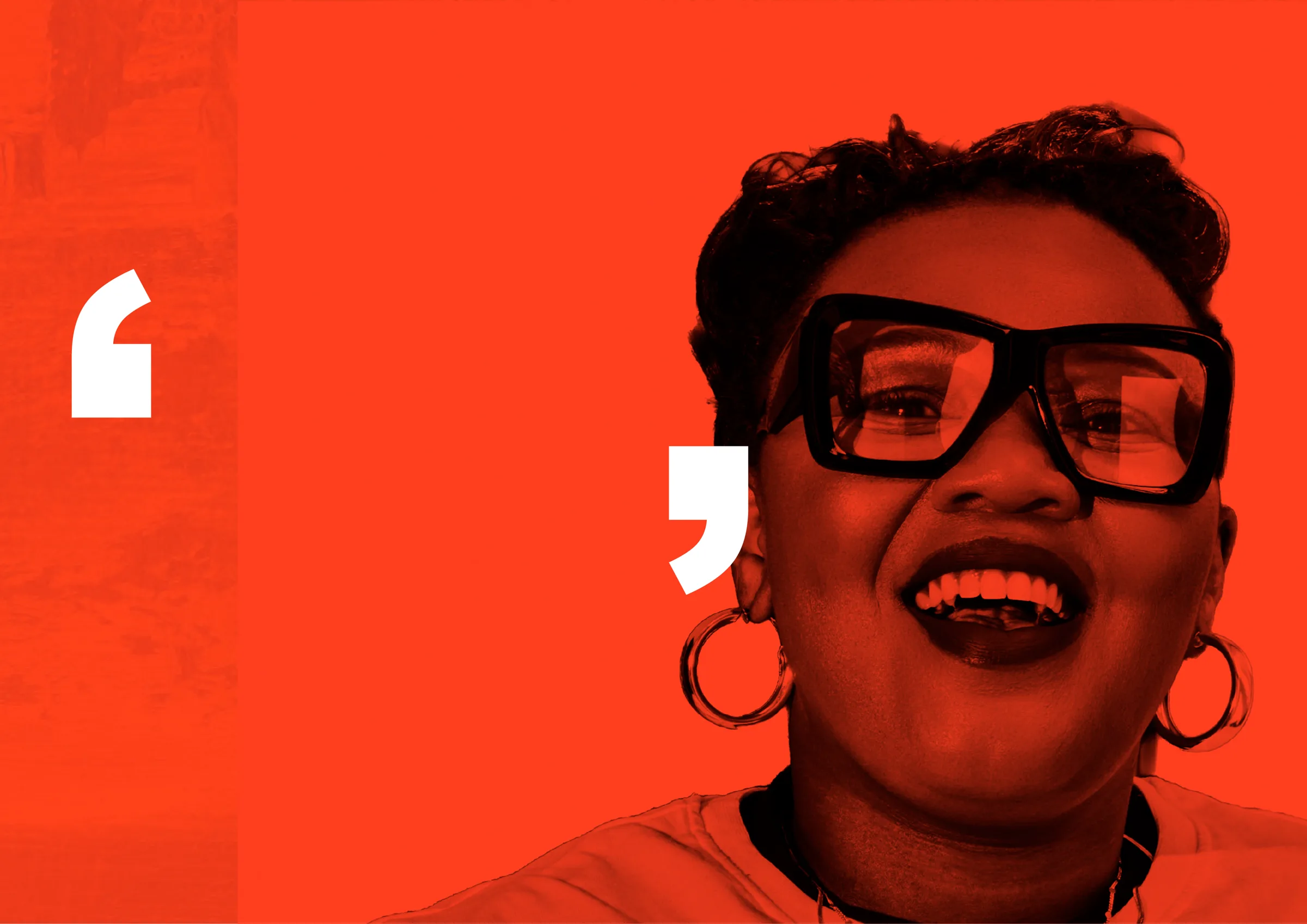
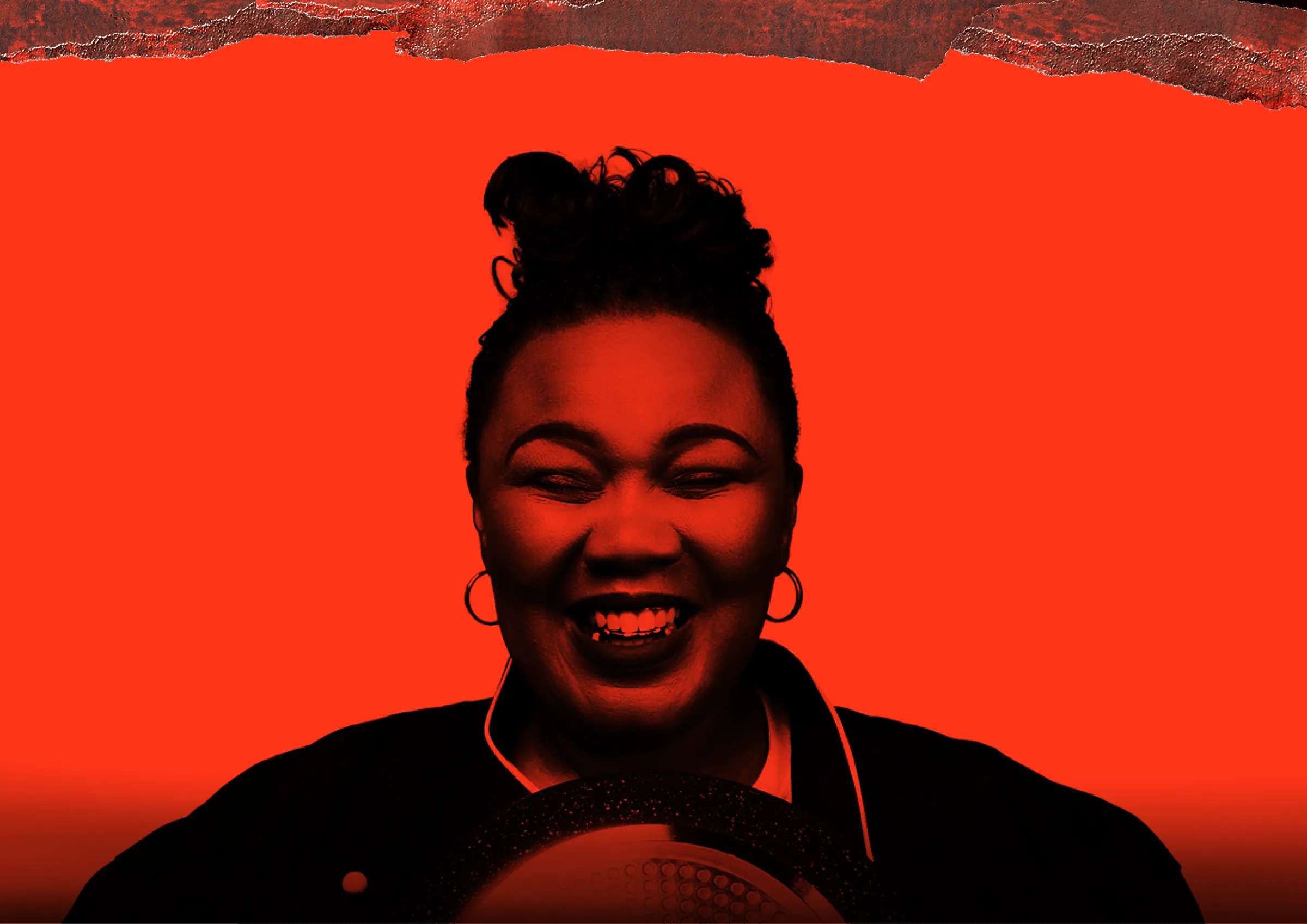
For Langelihle "Lady Day" Mthembu, food became both a means of self-discovery and a way of building community. What began as gathering friends around a table gradually evolved into Lady Day Food, a platform where storytelling, culture and sensory dining converge.
Yet the journey has also required her to confront self-doubt, embrace curiosity and carve out a place within a culinary landscape she didn't initially believe she belonged to. For her first magazine cover, Lady Day reflects on community, creativity, heritage and the future she hopes to build through food.
Q&A
With Langelihle “Lady Day” Mthembu
A pumpkin is a pumpkin, but maybe if I tell the story of a pumpkin breakfast in Zimbabwe somebody looks at it much differently than the same pumpkin we all grew up with.
You’ve mentioned that a therapist encouraged you to pursue food and that it wasn't always the obvious path for you. Looking back, when did you realise this was something worth taking a risk for?
A friend of mine (Manyaku Mashilo) was exhibiting artwork at a space called Breaking Bread in Cape Town. The idea was simple: I'd make food, someone else would bring the art, and another friend would curate the music.
It was the first time I saw all those things come together and witnessed people buying the food, engaging with the experience and responding to what we had created. That was probably the moment I realised it could become something bigger.
Before then, I never really thought about food as a business. It was simply something I loved doing and something that helped me connect with people. Seeing others connect with it showed me there was potential for it to become something more.
What did you want Lady Day Food to represent beyond simply being a food experience?
I've always felt that food carries stories, and those stories can completely change the way we understand what's on our plates.
Because a pumpkin is a pumpkin, but maybe if I tell the story of a pumpkin breakfast in Zimbabwe somebody looks at it much differently than the same pumpkin we all grew up with.
I never felt there was necessarily a gap in the culinary space. I just believed there was room for another perspective. Everyone brings their own audience, their own experiences and their own lens. My contribution has been to encourage people to think differently about food and to explore the histories and meanings behind it.
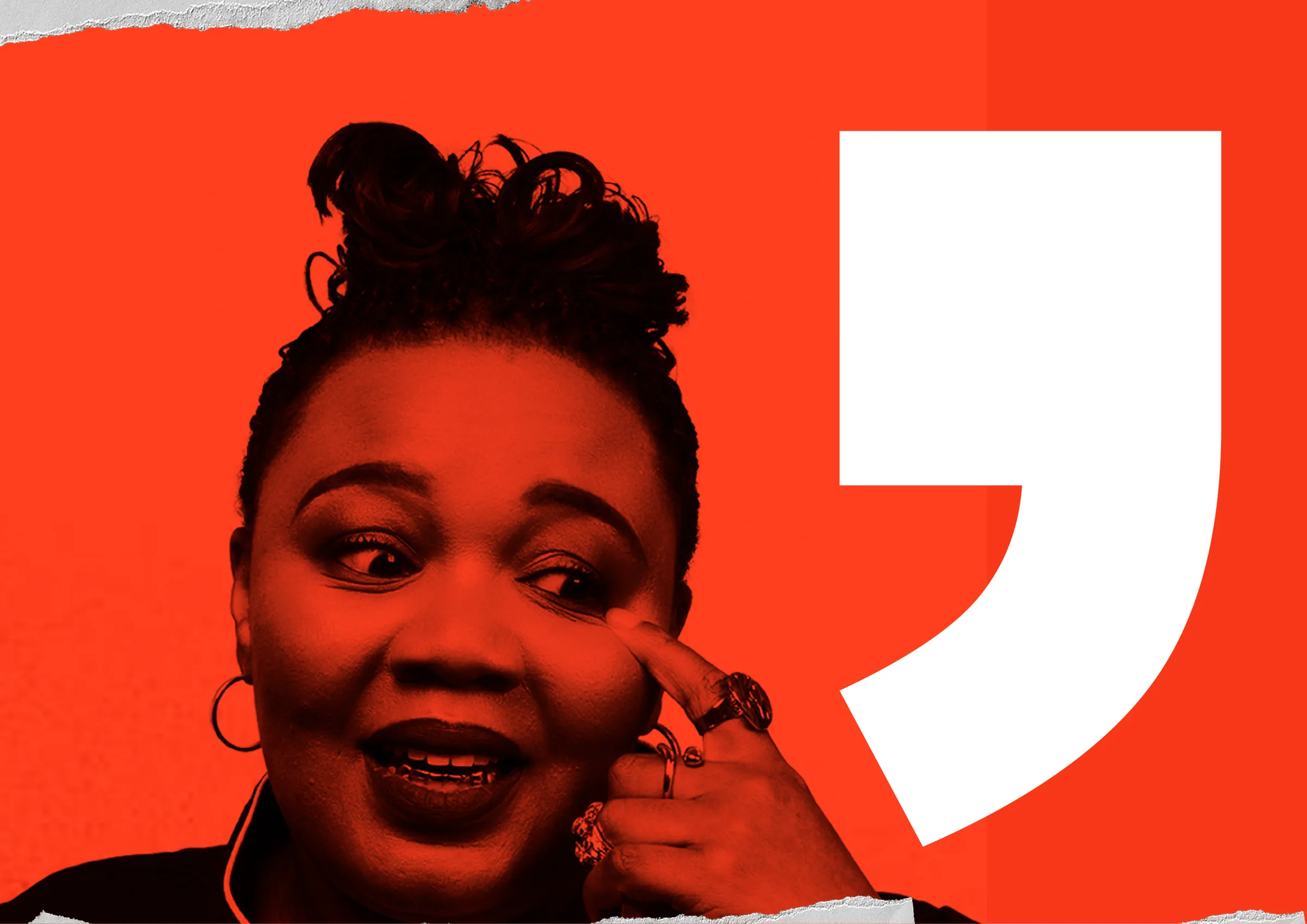
“Lady Day Food is deeply connected to who I am. My curiosity became the business. My love for music inspired the name Lady Day”
- Billie Holiday went by the nickname, Lady Day
Has your idea of success changed since you started?
Honestly, not really.
If success was purely about money, I probably wouldn't be doing this at all.
For me, success has always been connected to community and family. If my family is okay, I'm okay.
I've always imagined a quiet life somewhere rural, surrounded by nature, with enough space to think, create and be present.
I've also realised there's a part of me that enjoys sharing knowledge. Whether that eventually becomes teaching or mentoring, I don't know. But I've always been interested in the idea of helping others grow.
My version of being rich has never been extravagant. It's owning a piece of land, having a home on it and living a life that feels meaningful and connected.
How has building Lady Day Food changed you?
It's made me more patient and more curious.
It's also forced me to become somebody people assume is confident, even though I'm still incredibly shy.
For a long time I was comfortable letting the work speak for itself. I could hide behind the food, the events and the ideas. But as the brand has grown, people have become interested in the person behind it.
At the same time, Lady Day Food is deeply connected to who I already am. My curiosity became the business. My love for music inspired the name (Lady Day is named after jazz musician - Billie Holiday who went by the nickname, Lady Day).
My interest in stories became the framework through which I approach food. The growth has really been about learning to make peace with being visible.
Your work is deeply informed by research. How does that process shape the experiences you create?
Research is the foundation of everything.
Once I discover a story, I begin thinking about how people might experience it through food, sound and atmosphere. If the story is rooted in a particular place, I want guests to hear music connected to that region, encounter ingredients that speak to its history and leave knowing more than they did when they arrived. The goal has never been to serve a good meal and stop there. I want people to understand that every dish exists because of migrations, trade, communities, traditions and countless human stories.
That's what keeps me interested. Pasta isn't just pasta. Maize isn't just maize. The more you learn, the more layered food becomes.
Building your own path is not easy. What's been the hardest lesson so far?
The biggest lesson has probably been trusting that I can continue.
Whenever things become difficult, I remind myself that I built this once already. If I've done it before, why can't I do it again?
There have been moments where work slows down or uncertainty creeps in, but what often keeps me going are the people who find their way back. Past clients, collaborators and supporters continue reaching out with opportunities or ideas, and those moments remind me that the work matters.
I also try to be kinder to myself than I once was. Lady Day Food is still young. There are businesses that only truly find their footing after ten years. Remembering that allows me to approach the journey with a little more patience.
Do you feel a responsibility to preserve African food culture?
I don't necessarily feel pressure, but I do feel a responsibility.
I worry that we could lose certain forms of knowledge if we don't document, share and celebrate them. There are already people doing important work in this space, and I simply hope to contribute to that effort.
One thing I would love to see is African food taught with the same depth and seriousness that European cuisines are traditionally taught in culinary schools. African food deserves to be studied, researched and understood in the same way. Not because it needs validation, but because its histories, techniques and contributions are incredibly rich.
As Lady Day Food continues to grow, what do you hope it becomes?
I want permanence.
One day, I'd love to have a restaurant that serves not only as a dining space but as a place of learning and exchange.
I want guests to leave having discovered something new about themselves or the world around them. Just as importantly, I want the people working there to feel empowered to pursue their own dreams afterwards.
I also hope I've built a community that understands what it is I do and why I do it. Not just a customer base, but a genuine community of people who are equally curious about food, culture and storytelling. Most of all, I hope the things I've learned along the way aren't kept to myself.
I also hope I've built a community that understands what it is I do and why I do it. Not just a customer base, but a genuine community of people who are equally curious about food, culture and storytelling. Most of all, I hope the things I've learned along the way aren't kept to myself.
If we sat down five years from now, what would you hope remains unchanged?
My curiosity.
I hope I never stop asking questions and never stop learning. The work has always been driven by discovery, and I hope that continues.
I also hope I've built a community that understands what it is I do and why I do it. Not just a customer base, but a genuine community of people who are equally curious about food, culture and storytelling. Most of all, I hope the things I've learned along the way aren't kept to myself. I hope they've become tools and knowledge that other people can access, build on and carry forward.
Because at the heart of everything, that's what Lady Day Food has always been about:
sharing stories...
Edited by: Carlene Design by: Ambidextrx
A decade of Spaces Africa
A Magazine by SPACES AFRICA
A 3-part video series
In the
Kitchen
with Nick Hamman & Lady Day
In the Kitchen with Nick Hamman & Lady Day is a three-part culinary conversation series where food becomes a lens through which to explore culture, identity, travel, creativity and personal growth. Across three carefully curated courses, Nick and Lady Day uncover the stories, memories and influences that shape who we are, transforming the kitchen into a space for meaningful dialogue and authentic connection.
The journey opens with a starter inspired by Lady Day's exploration of Chinese cuisine, sparking a conversation about cultural exchange, migration and the global influences that continue to shape the way we eat. For the main course, she serves a richly caramelized short rib with spring onion, fresh salad and obriato sauce, providing the backdrop for discussions on mastery, creativity and building a life and career with intention. The experience concludes with a South African-inspired Amasi Dark Chocolate Mousse, celebrating heritage, innovation and the evolving future of African food culture.
Throughout the series, each course is elevated by thoughtfully selected Rupert & Rothschild wines. The Rupert & Rothschild Classique, an iconic Bordeaux-style blend renowned for its elegance, balance and layered complexity, accompanies both the starter and main course, complementing the depth of flavour while reflecting the richness of the conversation. For dessert, Champagne Barons de Rothschild takes centre stage. Its crisp character, delicate notes of pear, almond and white flowers, and refined finish beautifully complement the Amasi Dark Chocolate Mousse, creating a pairing that is both unexpected and sophisticated.
At its heart, In the Kitchen with Nick Hamman & Lady Day is a celebration of food, wine and storytelling, revealing how shared meals can connect people, preserve culture and inspire new perspectives.
Cultural exchange, migration and the global influences on how we eat.